-
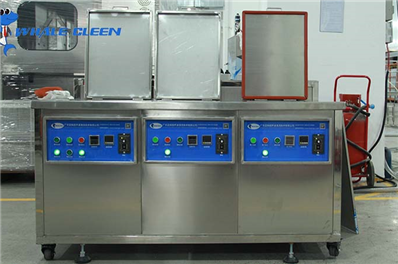 Ultrasonic Cleaning Machines in the Construction Industry
Ultrasonic cleaning machines have a wide range of applications in various industries, including the construction industry. In the construction industry, cleaning equipment and parts is a crucial task to ensure that the equipment remains functional and saf
-
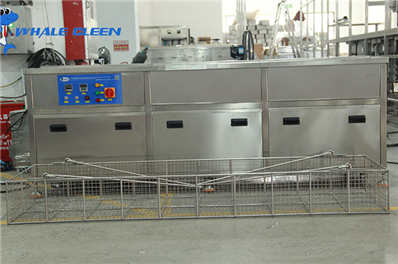 Enhancing Appearance and Strength of Metal Building Materials through Ultrasonic Cleaning
Cleaning metal building materials is crucial for maintaining their appearance and strength. An ultrasonic cleaning machine is an efficient tool for removing dirt and rust from the surfaces and welds of metal building materials. In this article, we will de
-
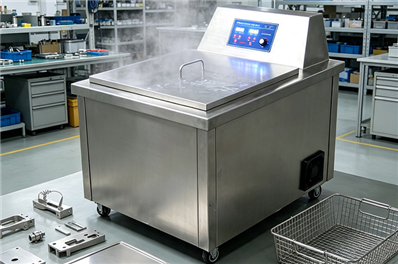 Ultrasonic Cleaning Machine: How Powerful Is It Really? A Shocking Test in Hardware Electroplating Pretreatment
If you have ever walked through a hardware electroplating line, you have seen the frustration firsthand. Parts come out of the bath with patches of peeling plating. Edges look dull. Blind holes show signs of uneven coverage. The plating bath chemistry is
-
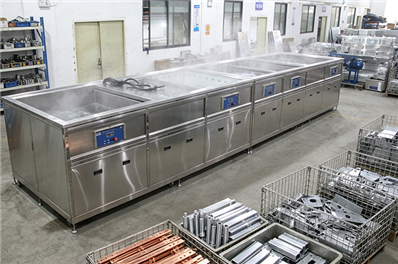 Ultrasonic Cleaning Machine for Shaft Parts: A Specialized Solution for Precision Components
In mechanical manufacturing and heavy industry, shaft parts—such as transmission shafts, motor rotors, hydraulic piston rods, and bearing rollers—are fundamental components that demand the highest standards of cleanliness. These precision-machined parts o
-
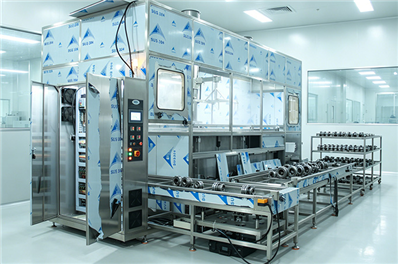 Thread Tap Residue Ruining Precision? How Ultrasonic Cleaning Eliminates Cutting Paste Without Damaging Thread Accuracy
In precision machining, few operations are as demanding as thread tapping. The cutting paste—a thick blend of lubricants, extreme-pressure additives, and fine abrasive particles—is essential for protecting taps and achieving clean thread profiles. But aft
-
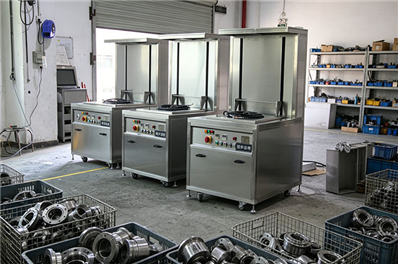 From Dirty to Spotless: How Long Does Ultrasonic Automatic Cleaning Take for a Multilayer PCB?
Walk onto the floor of any PCB assembly shop, and you will see it: boards fresh off the soldering line, covered in flux residues, ionic contaminants, and microscopic debris. The clock is ticking. Production schedules depend on getting these boards clean—f
-
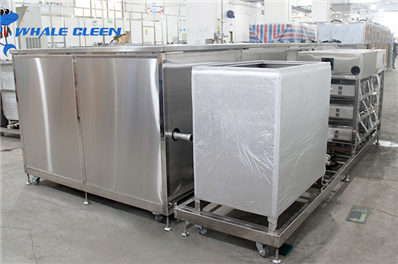 The Same Circuit Board, Different Results: Why Leading Electronics Manufacturers Are Switching to Industrial Ultrasonic Automatic Cleaning Machines
Look at the two PCBs. The first was cleaned with a manual brush and solvent dip. The second came from a fully automated ultrasonic cleaning line. To the naked eye, they look identical—solder joints shining, surfaces spotless, ready for assembly. But un
-
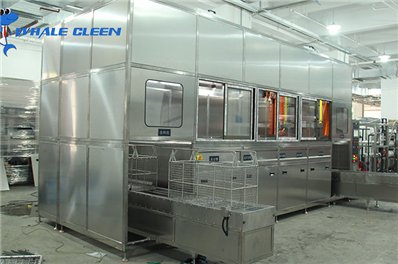 Metal Degreasing Without Strong Acid Soaking: The Hidden Cleaning Advantages of Ultrasonic Technology
In metal parts manufacturing, few processes carry as many hidden costs—and as many risks—as strong acid soaking for degreasing and rust removal. For decades, countless factories have relied on aggressive acid baths to strip oil, grease, and oxidation from
-
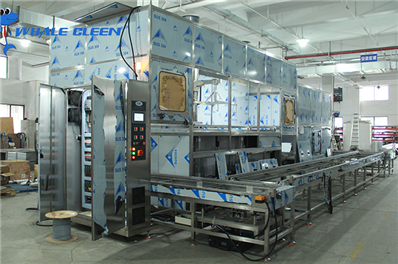 Want to Extend Turbine Disk Service Life? What Are the Key Selection Criteria for Ultrasonic Cleaning Machines?
In an aircraft engine overhaul shop, few components carry more weight—literally and metaphorically—than the turbine disk. Often described as the “backbone” of the engine, the turbine disk is a precision‑engineered component manufactured from nickel‑based
-
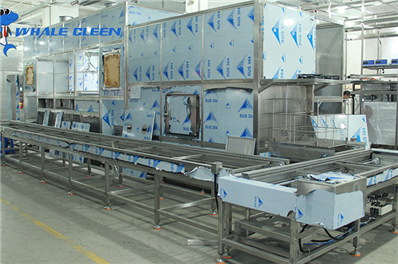 Ultrasonic Cleaning Machine for Aerospace Components: From High-Risk Traditional Methods to Non-Contact Degreasing That Safeguards Flight Safety
In the high-stakes world of aviation maintenance, cleaning is far from a routine chore — it is a direct pillar of flight safety. A single turbine blade contaminated with baked-on carbon deposits, a fuel nozzle with partially clogged orifices, or a hydraul
-
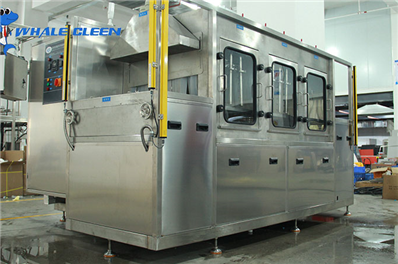 Why Is Ultrasonic Cleaning the Preferred Choice for Silicon Wafer Cleaning?
In semiconductor manufacturing, a single microscopic particle clinging to a silicon wafer surface can turn a high-value chip into scrap. As device geometries continue to shrink toward single-digit nanometer nodes, the tolerance for contamination has becom
-
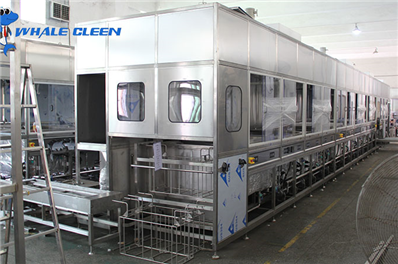 Precision Metal Stamping Parts Cleaning: Key Ultrasonic Equipment Selection Points — Why Whale Cleen Delivers Consistent, Damage‑Free Results
In high‑volume metal stamping production, cleaning is a process that is often underestimated—until it becomes the bottleneck. Stamped parts emerge from the press coated with heavy stamping oil, microscopic metal fines, and occasionally coolant residues. L